-
Independent reports and insights shaping global energy, industry and workforce systems.
Reports | Briefings | Analysis | Declarations
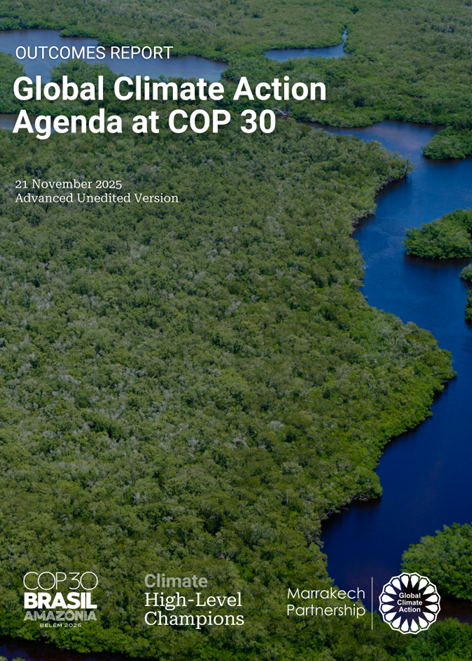
Outcomes Report of the Global Climate Action Agenda at COP 30
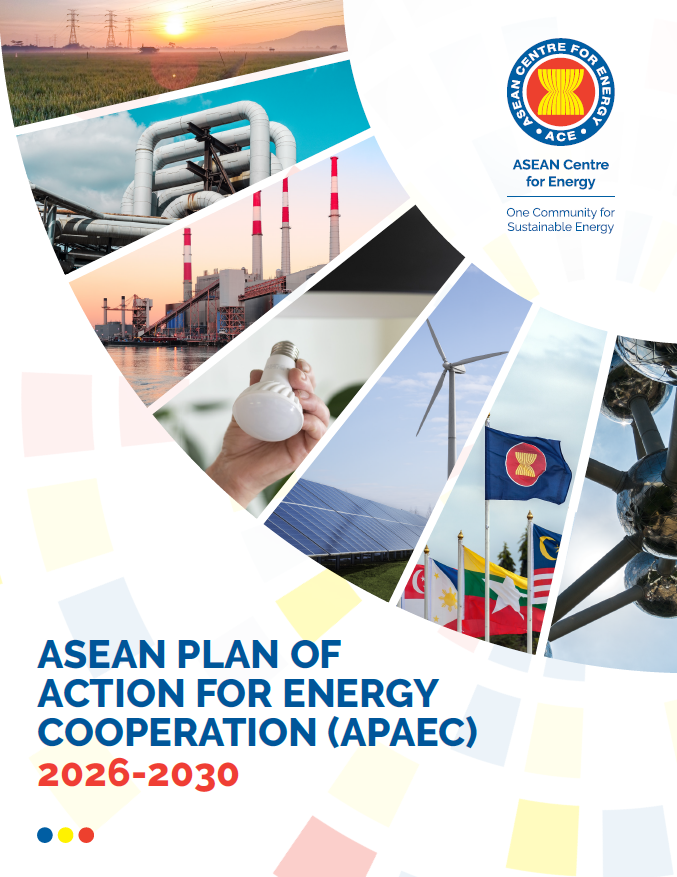
ASEAN Plan of Action for Energy Cooperation (APAEC) 2026-2030
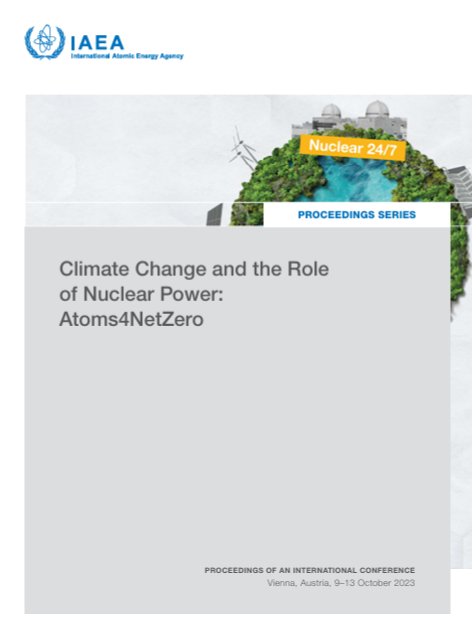
Climate Change & The Role of Nuclear Power - IAEA
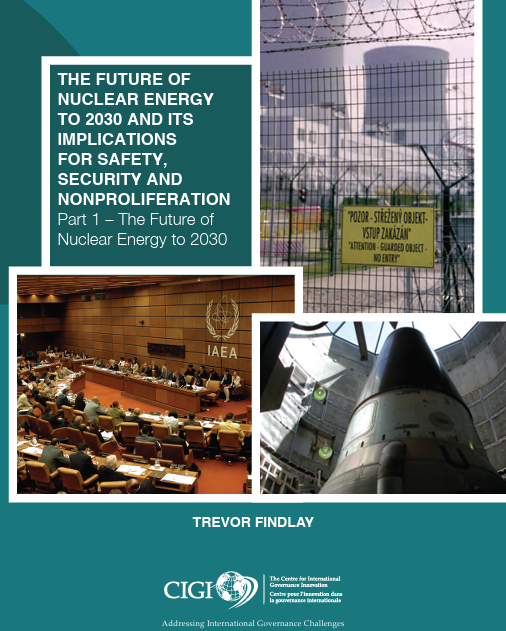
Meeting Climate Change Targets The Role of Nuclear Energy

IN01
Why ANWIN Exists:
IN02
Australia’s Position in Nuclear-Aligned Materials and Supply Chains
Building the Industry and Workforce to Compete Globally
Participation Without Domestic Reactors
IN03
IN04
Strategic Opportunities & Innovations in the Nuclear Sector Why Timing Matters for Australia
Australia’s Nuclear Submarine Program and South Australia’s Leading Role
AUKUS and Australia’s Naval Nuclear Ambitions
IN05
IN06
The Energy Challenge Facing AI and Data Centres Tech Industry’s Nuclear Shift
News
-
Media Release ANWIN
-
What was achieved at COP30 - the 30th UN Climate Change Conference, held in Belém, Brazil - and what role did nuclear energy play? Here's an assessment from Jonathan Cobb, World Nuclear Association Senior Programme Lead, Climate. Podcast: What happened with nuclear energy at COP30?
Big Tech has expanded investments in renewable energy to gas and nuclear plants in the race to power new data centers. Big Tech shifts to “all of the above” strategy to power AI
-
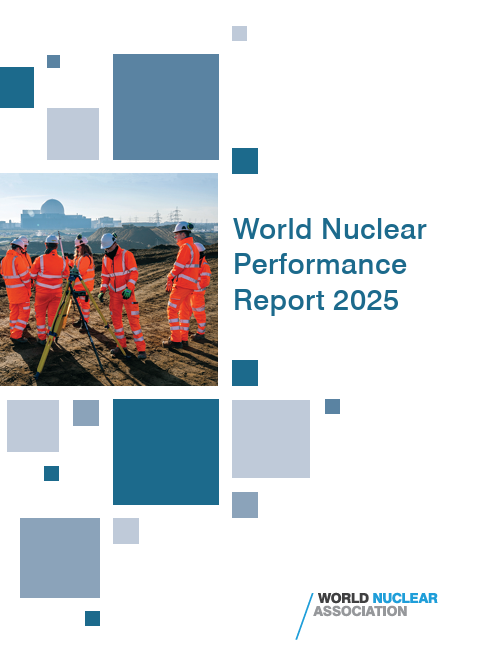
World Nuclear Outlook Report 2025 | Official Launch at COP30 Dr Jonathan Cobb unveils the latest insights into how nuclear energy can power a clean, secure, and affordable future.
Global Momentum Accelerates with Declaration to Triple Nuclear Energy: Declaration to Triple Nuclear Energy
After more than two decades of stagnation, global nuclear power capacity is set to increase by one-third to 2035, according to the latest from the International Energy Agency. Nuclear power is making a comeback, says IEA
As part of Japan’s commitment in September to invest $550 billion in the United States, it signed a deal, negotiated with President Trump in October, indicating its interest in partially funding a U.S. nuclear project worth from $80–$100 billion for Westinghouse to build nuclear reactors. U.S.-Japan Trade Deal: Investment Commitments in Nuclear Energy
-
Five countries account for 71% of global nuclear capacity. The United States tops the list with 97 GW across 94 reactors. France ranks second at 63 GW, a result of its historic policy to standardize and scale nuclear after the 1970s oil shocks. China follows at 55 GW. Russia (27 GW) and South Korea (26 GW) round out the top five. Ranked: Nuclear Power Capacity by Country (2025)
President Donald Trump and Australian Prime Minister Anthony Albanese have signed a landmark Critical Minerals Deal, marking a major step toward advancing both nations’ ambitions for energy and minerals dominance. Unpacking the U.S.-Australia Critical Minerals Framework Agreement
The Philippine Department of Energy has released a comprehensive framework that grants the country's first nuclear power plant priority dispatch, long-term contracting options, and incentives to accelerate the integration of nuclear energy into the power generation mix. Philippines prepares for nuclear new-build
Nuclear energy stood as a potential deployment for Singapore to diversify its energy mix and pursue more sustainable pathways, efforts to build up energy capabilities that adapt to the rapid changes driven by AI, low-carbon technologies, and digitalisation. Singapore turns to nuclear energy and innovating power grid to strengthen energy security
-
The Atlantic Partnership for Advanced Nuclear Energy, announced on September 15, 2025, is a UK-US agreement designed to rapidly accelerate the deployment of small modular reactors (SMRs), advanced modular reactors (AMRs), and fusion technology. It focuses on joint regulatory collaboration, aiming for 2-year design approvals and 1-year site licensing to boost energy security and economic growth. UK and US unveil nuclear energy deal
-
Australia, the United Kingdom and the United States have together reached another significant AUKUS milestone, with the signing of an agreement to enable cooperation that is essential to Australia’s capacity to safely build, operate and maintain a conventionally armed, nuclear-powered submarine capability. AUKUS agreement for cooperation on naval nuclear propulsion
-
More recently in January 2025, work began on the Nuclear Propulsion in Shipping. According to the Norwegian shipbuilder, VARD, insurance companies will be involved as “a critical step for evaluating the business viability of nuclear technology in the shipping industry". Nuclear opportunity and challenges for the shipping industry
Malaysia aims to amend its Atomic Energy Act to allow ratification of key international treaties under the International Atomic Energy Agency. Malaysia is moving closer to adopting nuclear energy
The United States of America and Malaysia Sign Memorandum of Understanding Concerning Strategic Civil Nuclear Cooperation and Launch Negotiations to advance peaceful nuclear cooperation between the United States and Malaysia. Civil Nuclear Cooperation Agreement.
-
The World Bank Group and the International Atomic Energy Agency (IAEA) sealed an agreement today to work together to support the safe, secure and responsible use of nuclear energy. This marks the World Bank Group’s first concrete step to re-engage with nuclear power in decades World Bank Group, IAEA Formalise Partnership to Collaborate on Nuclear Energy for Development
-
Executive Order 14300, signed by President Trump on May 23, 2025, mandates a swift, structural reform of the Nuclear Regulatory Commission (NRC) to accelerate licensing, reduce costs, and promote advanced nuclear reactor deployment. ORDERING THE REFORM OF THE NUCLEAR REGULATORY COMMISSION
In the U.S, President Donald Trump has signed a series of executive orders titled Reinvigorating the Nuclear Industrial Base, with the goal of re-establishing the United States as the global leader in nuclear energy. Trump sets out aim to quadruple US nuclear capacity
Will Taiwan restart its nuclear program to meet energy demand from the growing semiconductor industry, as a surge in electricity needs is expected to rise by 12-13 percent by 2030. Taiwan, AI boom prompts doubts about ditching nuclear power
-
More Details Soon.